


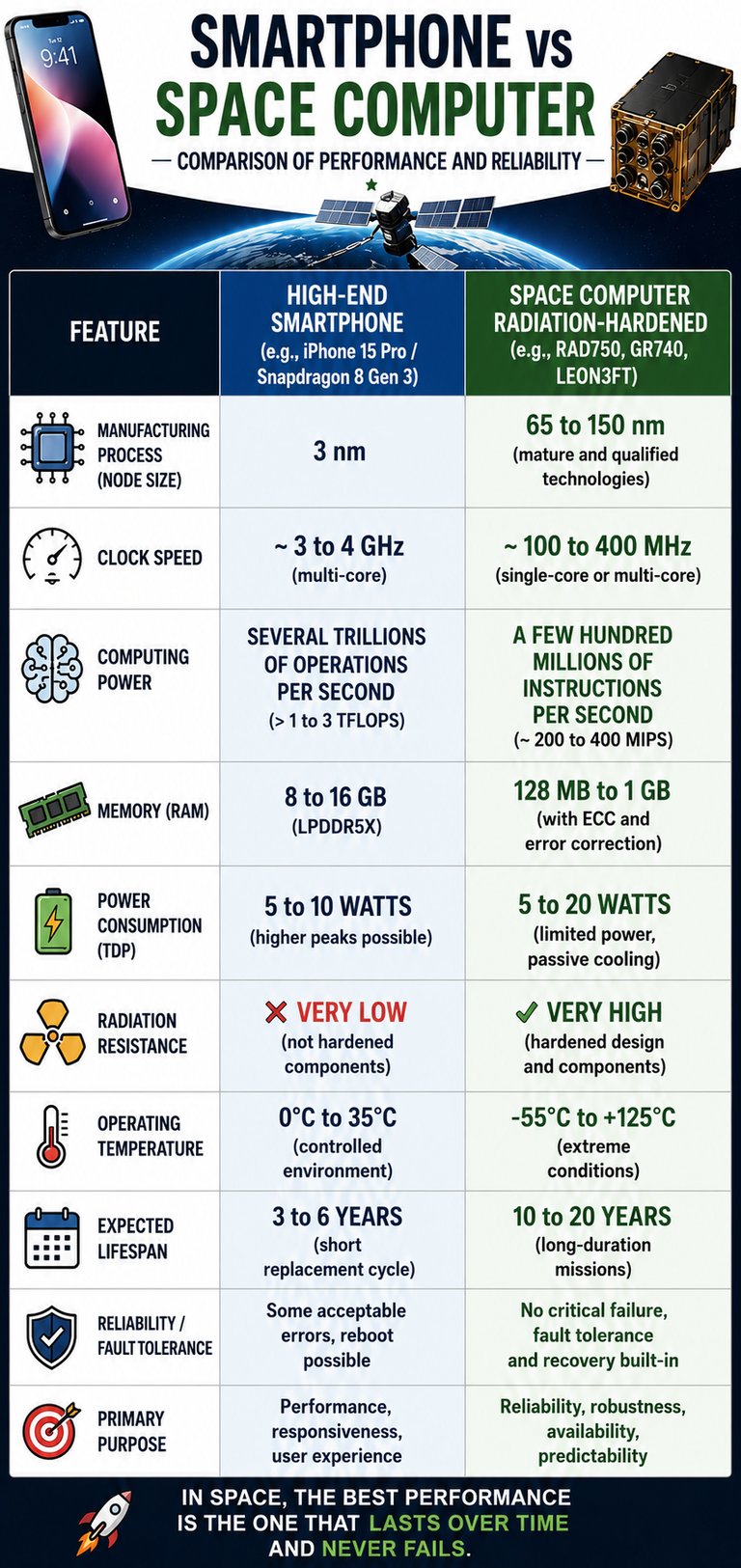
Why do spacecraft use computers that are less powerful than a smartphone?
Modern smartphones are thousands of times more powerful than some space computers. Learn why engineers prioritize reliability, radiation resistance, and safety over raw power.
COMPUTER SCIENCEELECTRONICSADVANCED TECHNOLOGIES
Lucas GRANDIER
7/22/20265 min read


Today, a smartphone costing a few hundred euros has a computing power that would have been considered exceptional only a few decades ago.
A modern phone includes:
Multiple compute cores running at several gigahertz
Multiple gigabytes of memory
Specialized processors capable of running artificial intelligence algorithms
However, when a satellite is sent into space or a probe sets out to explore another planet, its on-board computers may seem technologically outdated compared to a simple telephone.
Some space systems still use processors whose performance is comparable to that of computers dating back decades.
So why don't space engineers just put a smartphone processor in a satellite?
The answer is simple: In space, computing power is not the main goal. The priority is to design a system that can operate for years without human intervention.
A space computer does not have the same purpose as a smartphone
When we choose a computer or smartphone, we usually look for:
faster
More memory
Better graphics performance
More features
These criteria are essential for everyday use: video games, photography, web browsing or artificial intelligence.
A space computer meets a completely different specification.
Its role is to ensure critical functions:
Control the orientation of the satellite
manage communications with Earth
Analyze sensor data
Controlling scientific instruments
Monitor spacecraft status
Dealing with abnormal situations
A computer failure on board a satellite located several million miles from Earth cannot be solved by simply pressing a "restart" button.
The priority therefore becomes:
Running a system properly for years, rather than maximizing its computing power.
According to the European Space Agency (ESA), on-board space computers are designed around strong constraints of reliability, availability and resistance to the extreme conditions of the space environment.
Space is a hostile environment for electronics
Radiation: the invisible enemy
On Earth, the Earth's atmosphere and magnetic field protect us from much of the energetic particles in space.
A satellite is directly exposed:
to solar particles
to cosmic rays
energetic particles resulting from astrophysical phenomena
These particles can interact with electronic components and cause errors.
One of the most studied phenomena is called:
Single Event Upset (SEU)
An SEU is an accidental change in the state of a memory bit caused by an energetic particle.
The image below illustrates this phenomenon:
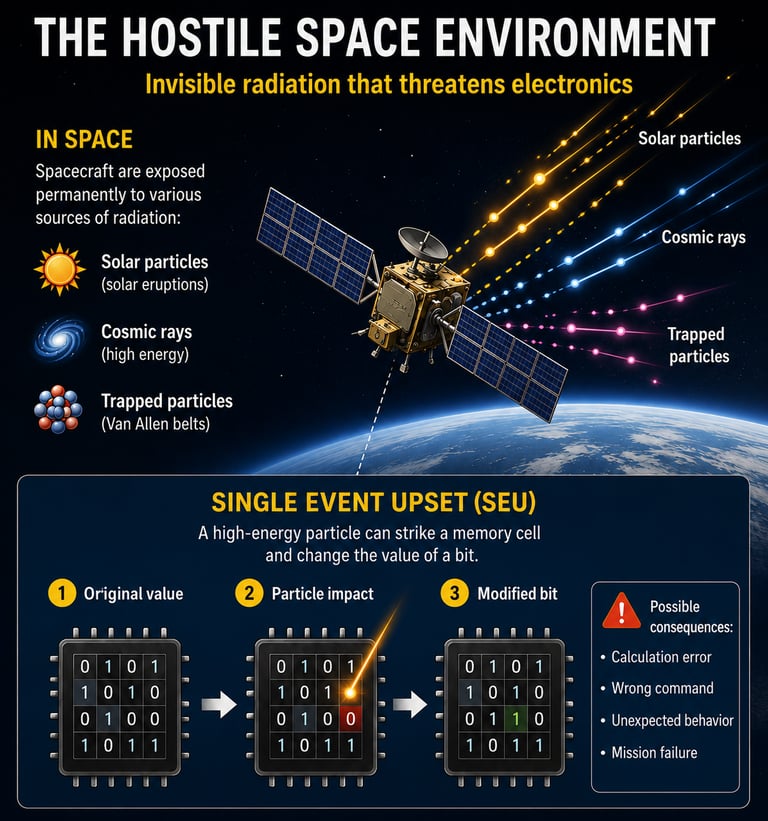
The component is not necessarily destroyed, but the stored information becomes incorrect.
In a conventional computer, this can cause a simple bug.
In a spacecraft, this can have much greater consequences:
Misinterpretation of a measure
Error in an order
Incorrect behavior of a critical system
NASA has been studying the effects of radiation on electronic components for several decades in order to develop more resistant systems.
Why not use a smartphone processor?
At first glance, using a modern processor seems like a no-brainer.
A smartphone has a power far superior to historical space computers.
However, a consumer processor is designed for a very different environment.
It favours:
Maximum performance
Miniaturization
Low consumption
production in large quantities
Space components must meet other requirements:
operate in extreme temperatures
Resist radiation
have a known behavior
operate for long periods of time
Be qualified for mission-critical missions
In the space industry, an old but mastered component is often preferable to a newer technology whose long-term reliability is unknown.
This is a fundamental difference between consumer electronics and critical embedded electronics.
🚀 Explore the technologies behind space missions
Spacecraft rely on on-board systems that are designed to be reliable, energy-efficient, and capable of operating for years.
Discover a selection of kits and books to experiment with these technologies and better understand the principles used by space engineers.
In space, software must be predictable
The difference is not only in the hardware.
Embedded software also plays a critical role.
A smartphone uses operating systems designed to be versatile:
Android
iOS
They must manage:
Thousands of applications
Complex interfaces
Frequent updates
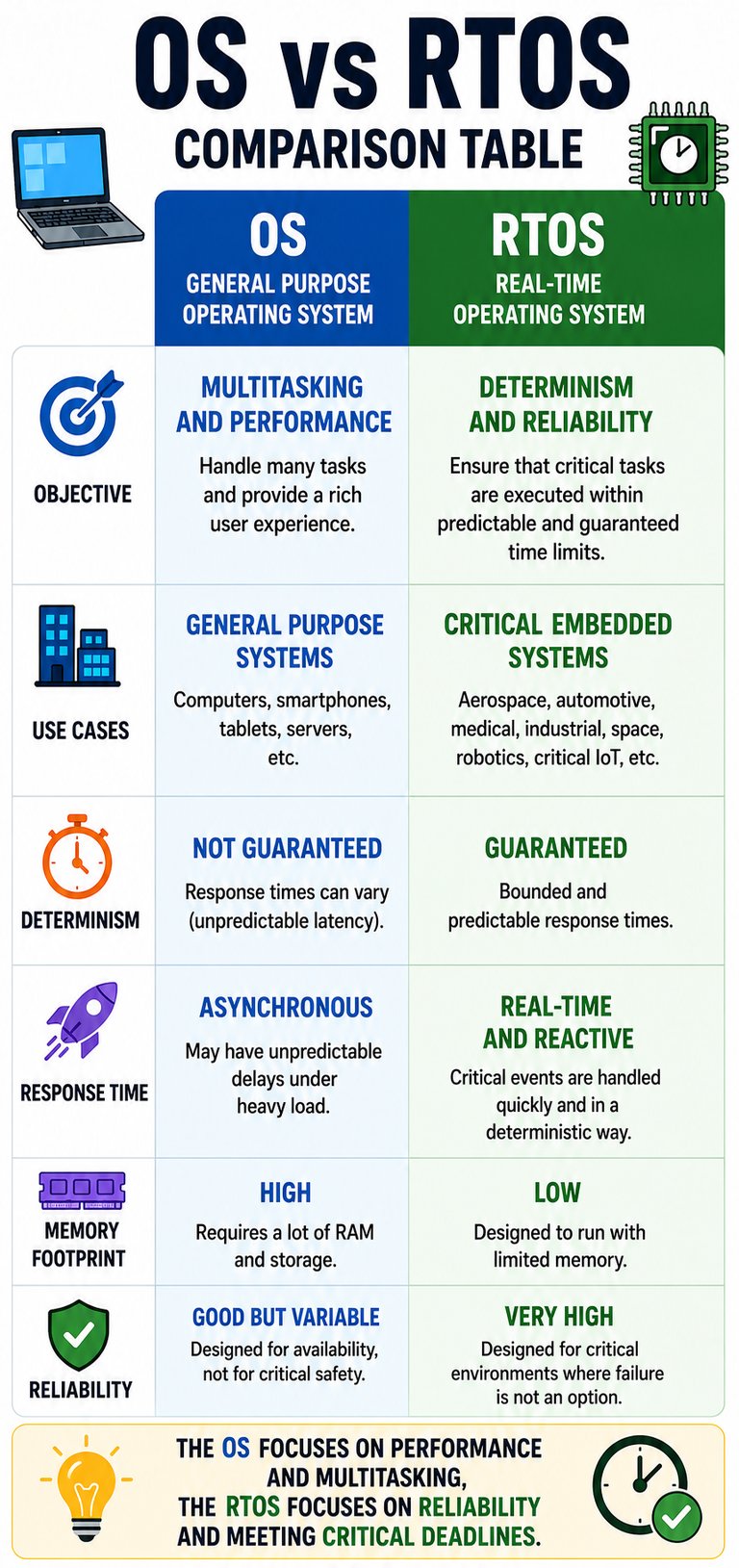
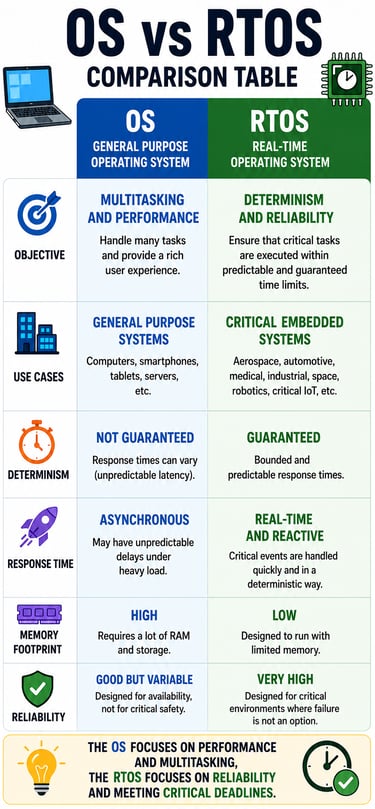
A spacecraft typically uses a Real-Time Operating System (RTOS).
The goal is not simply to complete a task quickly, but to ensure that it will be completed within a set time frame.
For example, a satellite must regularly:
Measuring your orientation
Calculate a correction
Controlling your actuators
Check the result
The turnaround time should be predictable.
A system that sometimes responds in 1 millisecond and sometimes in 500 milliseconds may be acceptable for a mobile application.
It can be dangerous for a space system.
This is called temporal determinism.
Reliability also comes from redundancy
Rather than using one extremely powerful ECU, engineers often prefer to use multiple ECUs that can monitor each other.
If a calculator provides inconsistent information:
others may detect the error
The system can isolate the fault
The mission can continue
This approach is called fault tolerance.
In critical systems, reliability is often achieved by:
Redundancy
Monitoring
Error detection
recovery mechanisms
The historical example: the Apollo computer
One of the most well-known examples is the Apollo Guidance Computer.
During lunar missions, this computer had extremely limited resources compared to current standards:
Processor frequency: about 2 MHz
Very small memory
Less computing power than a simple modern smartwatch
However, it has made it possible to:
Navigation to the Moon
Guiding the Lunar Module
The return of the astronauts
His secret?
It wasn't designed to be versatile.
It was designed to perfectly perform a precise set of functions.
Its software was optimized to the maximum and its architecture was adapted to the mission.

Conclusion: True performance is not always power
To say that space computers are "less powerful" than a smartphone is true, but incomplete.
They are less powerful according to one criterion : raw computing capacity.
But they are superior on much more important criteria for a space mission:
Reliability
Resistance
Predictability
Autonomous operation
Error tolerance
In space, the best computer is not the one that calculates the fastest.
It is the one that will provide the right answer, at the right time, for years, without the possibility of repair.
🛠️ Dig deeper: Build your own embedded systems
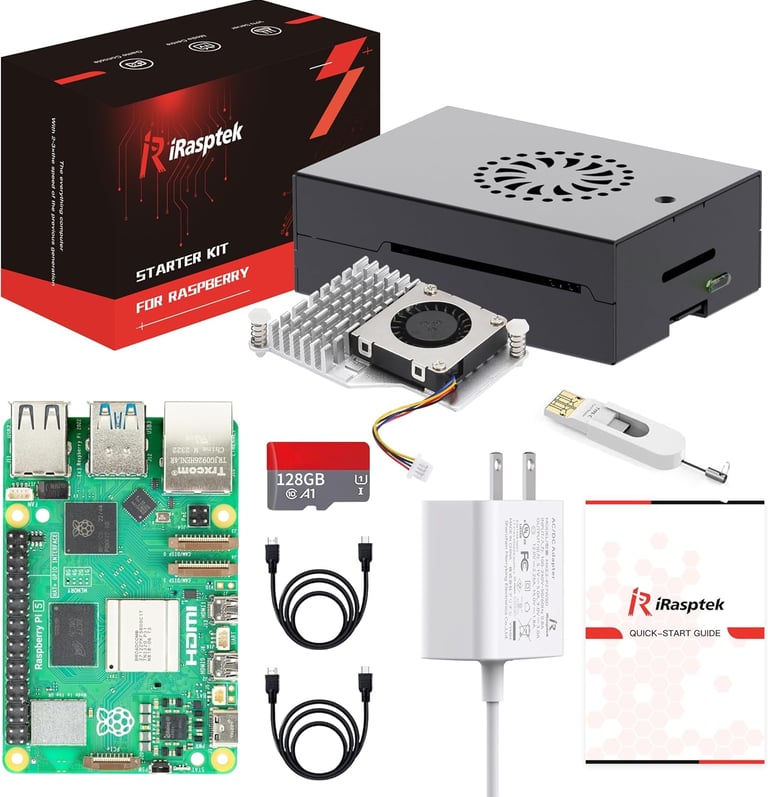
After discovering why a rocket can work with a computer that is less powerful than a smartphone, you can experiment with the same fundamental concepts used in the industry:
🥇 Raspberry Pi 5 Starter Kit
Discover a complete embedded computer :
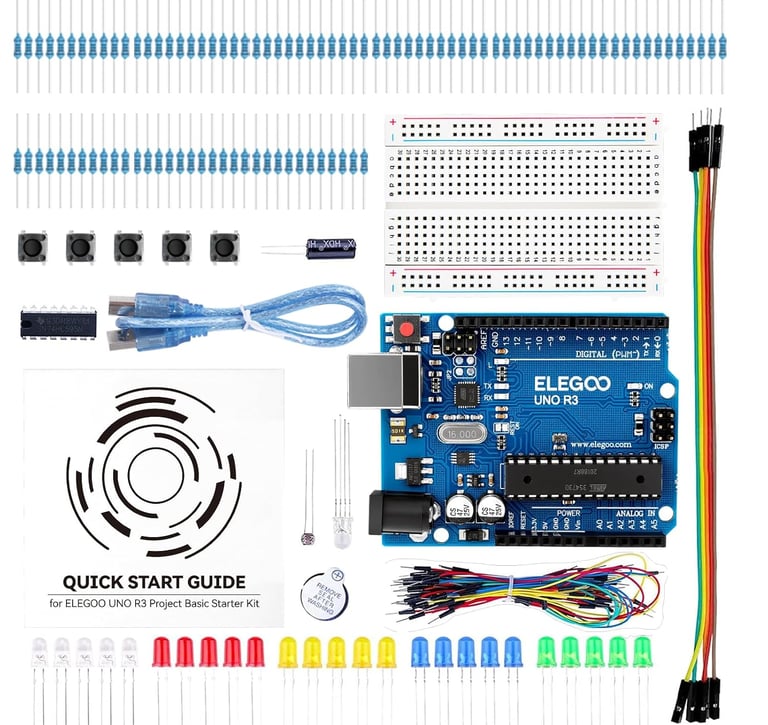
🥈 ELEGOO UNO R3 Starter Kit
Learn how microcontrollers work :
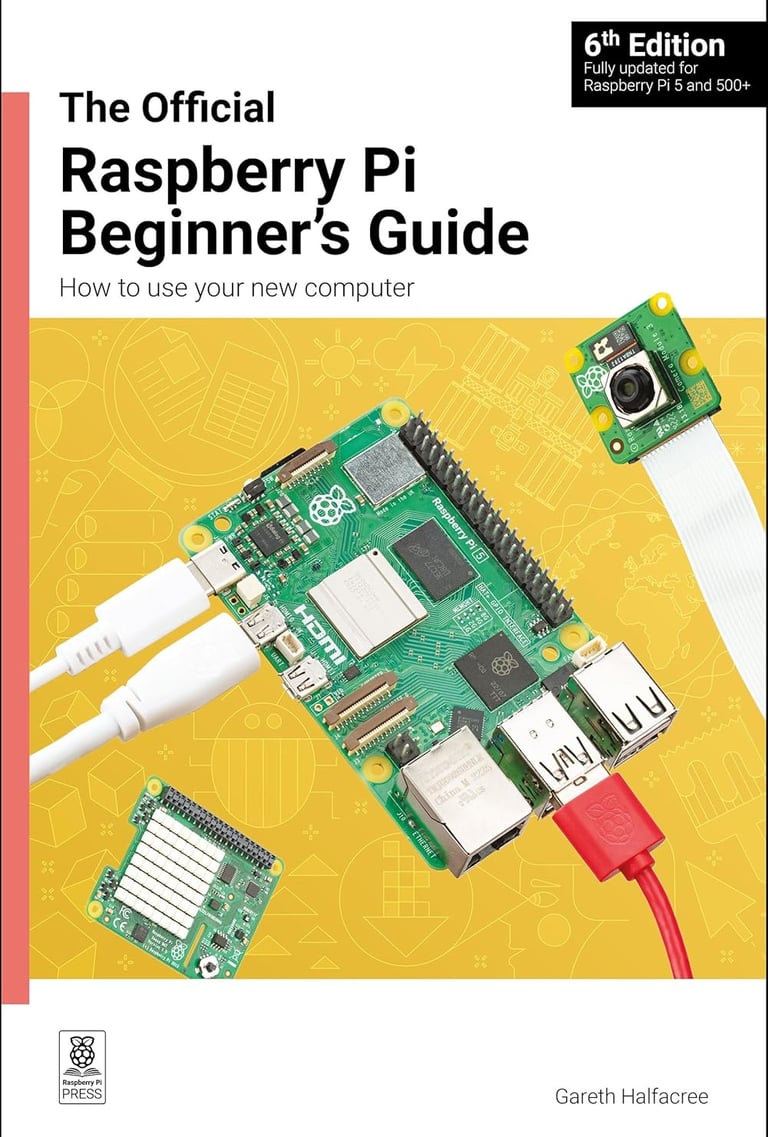
📘 Raspberry Pi Official Guide
Learn how to program a miniature computer :
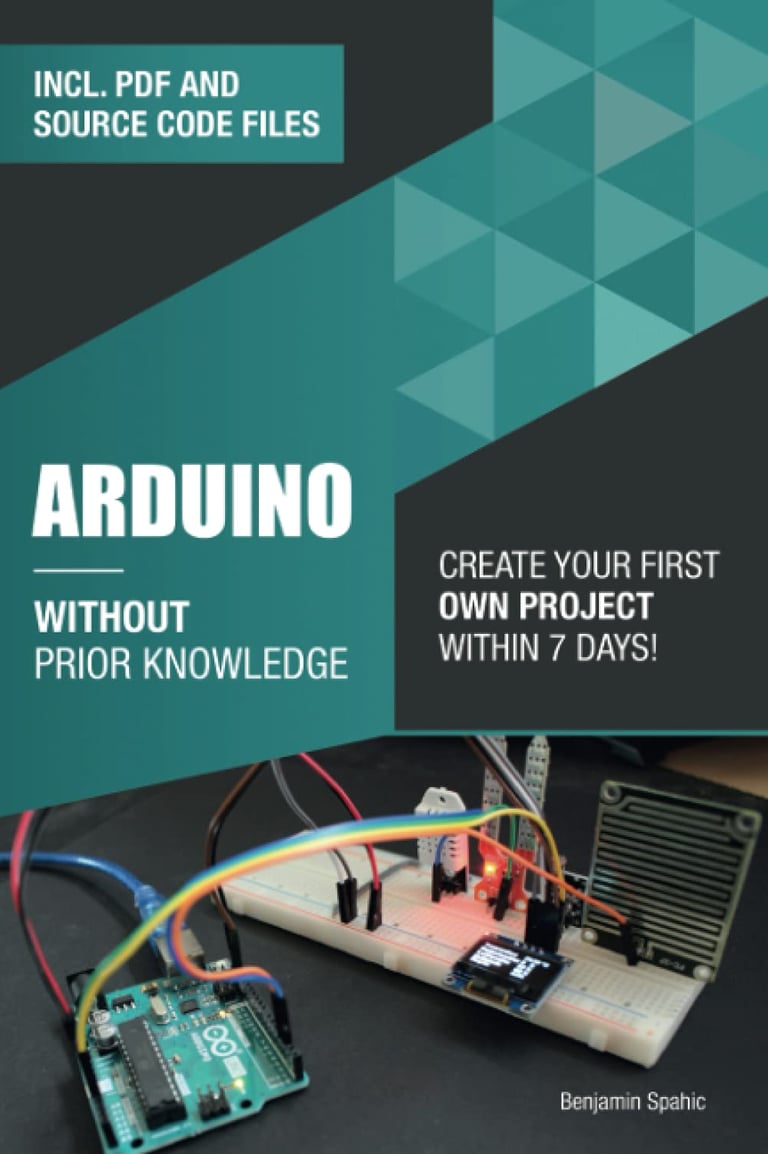
📗 Arduino for beginners
Understand the basics of embedded electronics :
🔎 Related articles :

Tech, simply.
Receive our new articles, tips and comparisons directly in your inbox.
©2026 The Tech BEHIND. All rights reserved
The Tech Behind participates in various affiliate programs. Some links on this site may generate a commission.