


What is an embedded system?
They're everywhere, yet invisible. Find out what an embedded system is—it's everywhere in our daily lives. You'll find it in our kitchens, our cars...
FUNDAMENTALSELECTRONICS
Lucas GRANDIER
5/6/20264 min read


Embedded systems are part of our daily lives without us even noticing. Yet they are found in almost every modern device : cars, phones, washing machines, smartwatches, and industrial equipment.
What is an embedded system?
An embedded system is an autonomous electronic and computer system integrated into an object and designed to perform a specific function.
This is not a traditional computer capable of doing everything, but rather a specialized system. It is designed for a single mission or a limited set of tasks.
For example, in a car, it can manage ABS braking, fuel injection, or driver-assistance features. In a washing machine, it controls the wash cycles. In a drone, it stabilizes flight and continuously corrects movements.
This type of system generally operates discreetly, without the user even noticing.


How does an embedded system work?
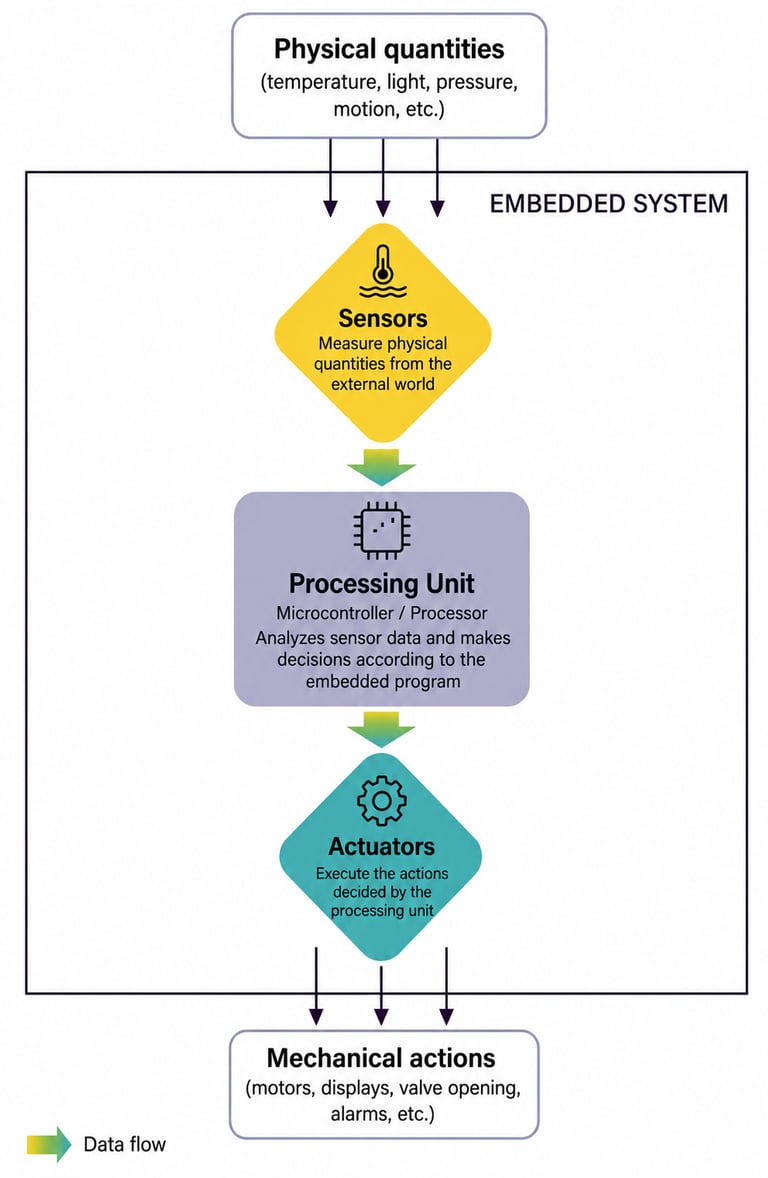
The operation of an embedded system is based on a simple principle: observe, process, act.
It all starts with sensors, which are used to collect information about the environment. This could include temperature, motion, pressure, or light levels. This data is then transmitted to the heart of the system, the microcontroller.
The microcontroller analyzes this information using a built-in program. Based on the results, it makes an automatic decision appropriate to the situation.
Finally, it sends commands to actuators, which perform a specific action : turning a motor, displaying information, or activating a mechanism.
This cycle repeats continuously and very quickly, sometimes in just a few milliseconds.
The components of an embedded system
An embedded system is built around several key components that work together in a coordinated manner. Each component plays a specific role in the process, from sensing the real world to taking action.
🧠 The microcontroller : the decision-making center
The microcontroller is the central component of the embedded system. It can be thought of as its brain. It executes the embedded program and processes all the information it receives.
Its mission is to read data, analyze it, and then make a decision based on instructions from the embedded software. It is designed to be compact, fast, and extremely energy-efficient, making it ideal for systems embedded in everyday objects.


📡 Sensors : Perceiving the Real World
Sensors enable the system to understand its environment. They convert physical phenomena into data that the microcontroller can process.
They can measure various quantities such as temperature, light, pressure, or motion. For example, in a smartphone, a sensor can detect the screen’s orientation, while in a car, it can monitor speed or detect a collision.
Without sensors, the onboard system would be unable to interact with the real world.

⚙️ Actuators : carrying out decisions
Actuators are the components that translate the system's decisions into concrete actions.
When a command is sent by the microcontroller, they can activate a motor, display information, open a valve, or trigger a mechanism. For example, in a washing machine, they control the drum motor and the various stages of the cycle.
They therefore represent the “active” part of the system.


🔌 Power Supply and Communication : Energy and Interaction
An embedded system requires a power source to operate, such as a battery or a direct power supply, depending on the application.
Some embedded systems also include communication modules such as Wi-Fi, Bluetooth, or cellular networks. These modules enable data exchange with other devices or with an external application.
This is what makes connected devices and modern smart systems possible.


Characteristics of Embedded Systems
Embedded systems have several key characteristics. They are designed for a specific task, which makes them highly efficient.
They often need to operate in real time, meaning they must react immediately to events. They consume little energy and are often integrated into small devices.
Finally, they must be extremely reliable, especially when used in sensitive fields such as the automotive or medical industries.
Embedded systems and connected devices
Embedded systems form the foundation of the Internet of Things (IoT). Thanks to them, objects can collect data, process it, and send it over the Internet.
They also enable communication between devices. For example, a smartwatch can measure heart rate and send the data to a mobile app.


Conclusion: an indispensable yet unobtrusive technology
Embedded systems are all around us, even if we don't see them. They make objects smart, autonomous, and efficient.
As artificial intelligence and the Internet of Things continue to evolve, they will become even more prevalent and important in our daily lives.
📘 Further reading
Check out a selection of products related to the topic of this article :
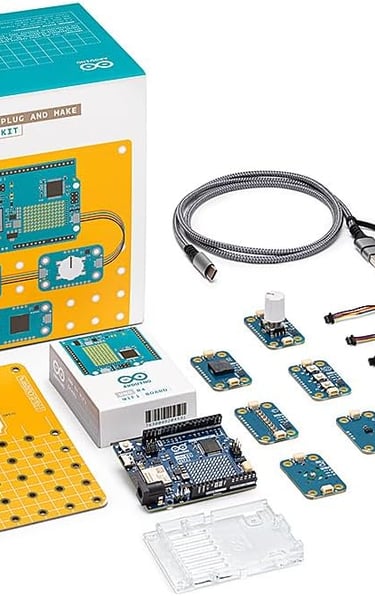
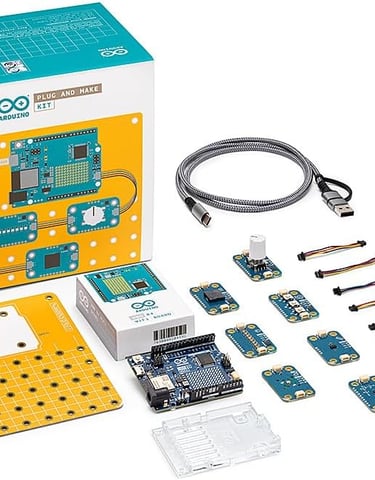
If you're interested in electronics, you might like these products :
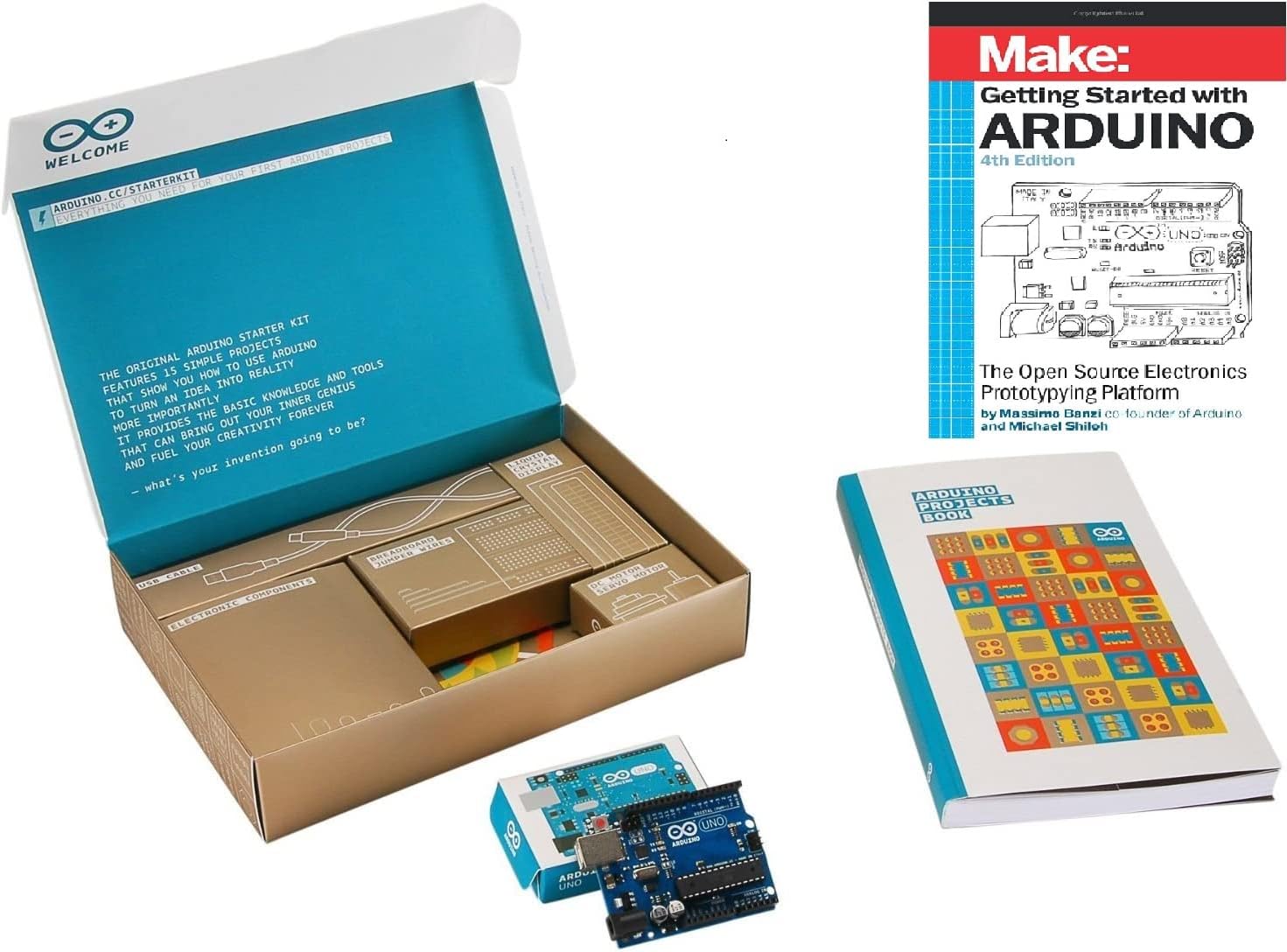
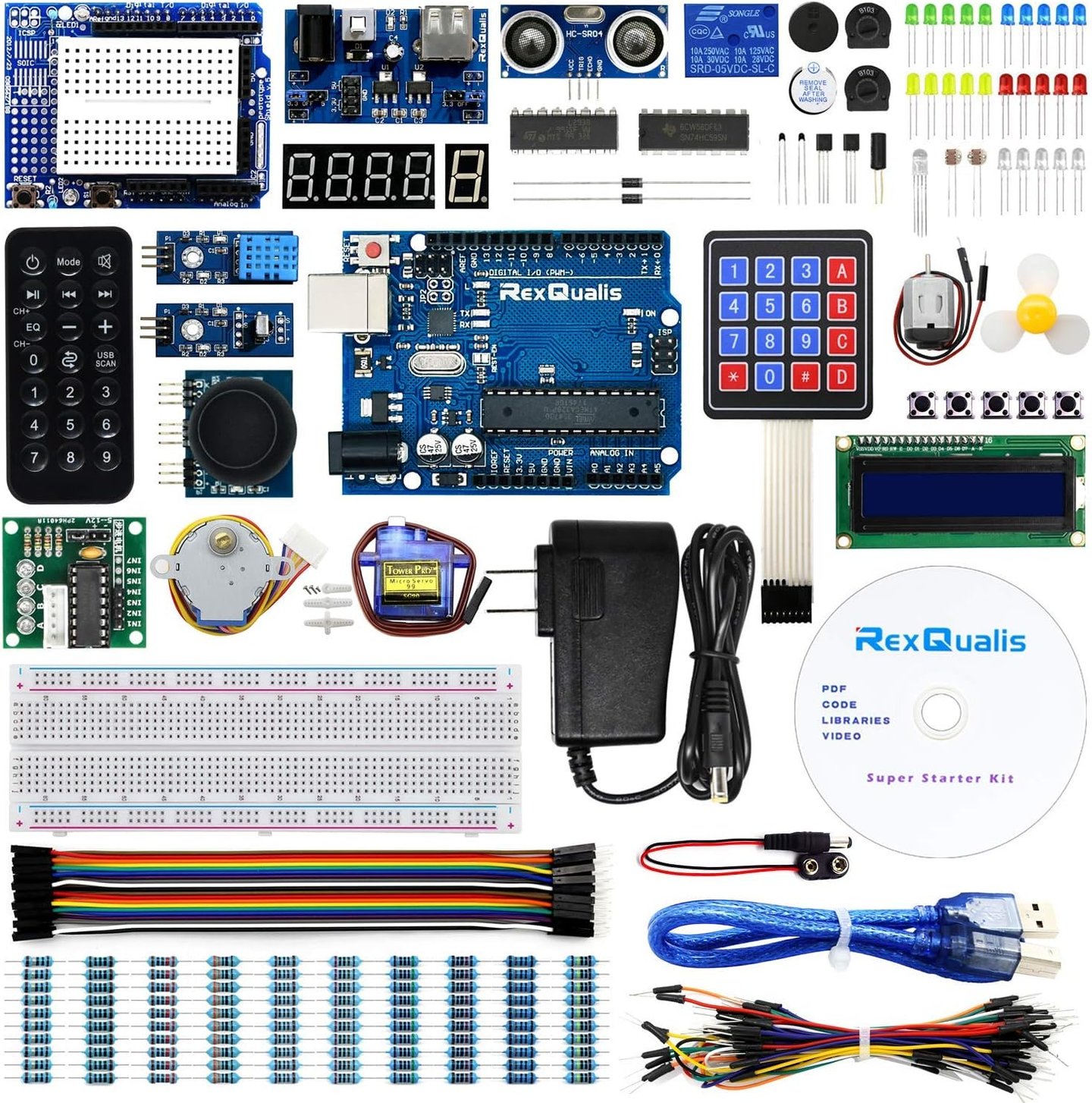
🔎 Related articles :

Tech, simply.
Receive our new articles, tips and comparisons directly in your inbox.
©2026 The Tech BEHIND. All rights reserved
The Tech Behind participates in various affiliate programs. Some links on this site may generate a commission.