


How does the Internet work? A simple and clear explanation in under 5 minutes, with animations
Learn how the Internet works in simple terms: Wi-Fi, servers, routers, undersea cables, and data centers explained clearly in less than 5 minutes.
FUNDAMENTALSCOMPUTER SCIENCEPOPULAR ARTICLEEVERYDAY TECHNOLOGIES
Lucas GRANDIER
5/11/20263 min read


Today, the Internet is everywhere. We use it to work, watch videos, send messages, play online games, and shop. Yet very few people really know how it works.
Behind every click lies a vast global network capable of transmitting billions of pieces of data in a matter of seconds.
The good news is that understanding the Internet is much simpler than you might think.
What is the Internet?
The Internet is a massive network connecting billions of devices around the world.
When you open a website, your phone or computer exchanges information with other machines called servers.
Every connected device has a unique address called an IP address, much like a digital mailing address.
The Internet therefore operates on a very simple principle:
You request information
The request travels through the network
A server responds
The data is sent back to you
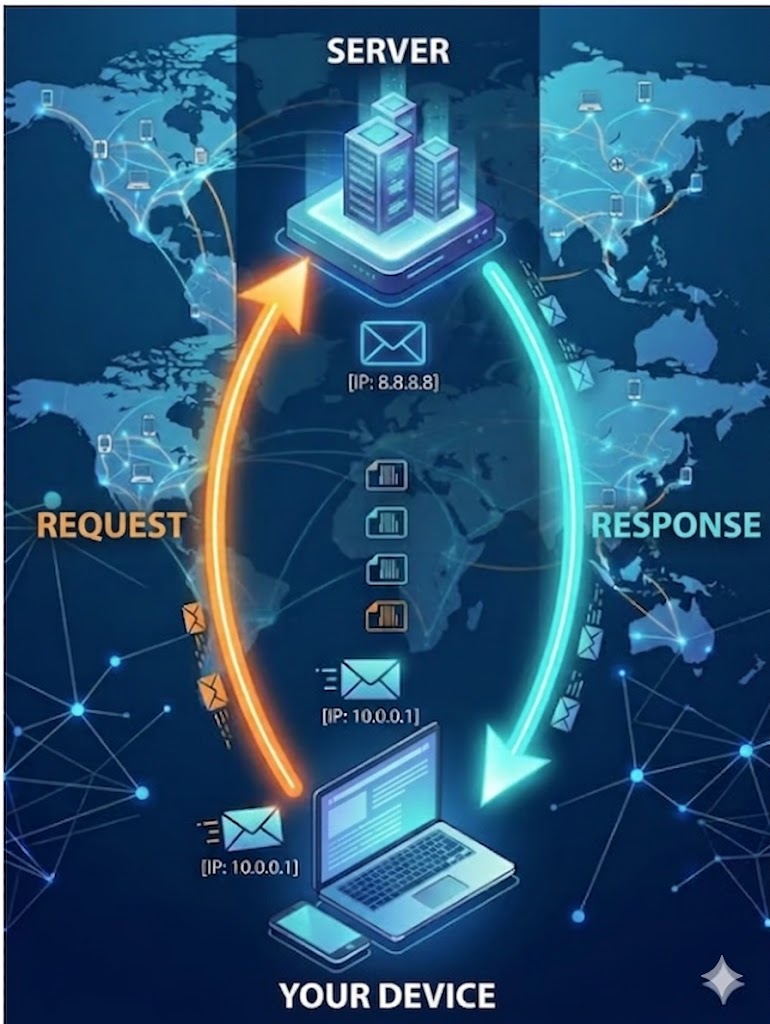
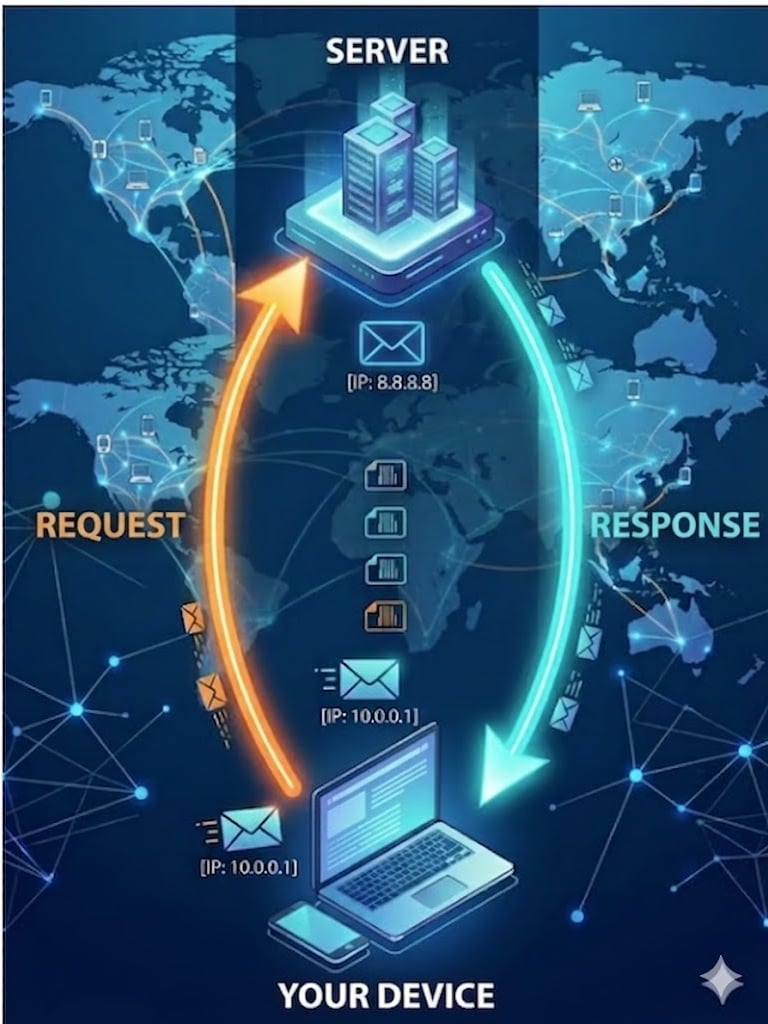
How data travels across the Internet ?
Data packets
Information sent over the Internet is broken down into small pieces called data packets.
For example, when you watch a YouTube video, it is divided into thousands of small packets that travel separately before being reassembled on your screen.
This speeds up data transfer and prevents buffering.
The role of routers
Routers are the “traffic controllers” of the Internet.
They analyze each data packet and choose the best route to send it to its destination.
Your home Internet router is exactly that—a router.
It allows you to:
connect your devices
distribute Wi-Fi
send data to the Internet
Submarine Cables
Contrary to popular belief, the Internet does not primarily rely on satellites.
The majority of global traffic flows through massive fiber-optic submarine cables laid on the ocean floor.
Submarine cables transmit data at nearly 200,000 km/s using fiber optics, connecting continents almost instantly.
Today, there are more than 1.4 million kilometers of submarine cables worldwide.
Servers
Servers are very powerful computers that store websites and data.
When you open a website:
your browser contacts a server
the server sends the files
your screen displays the page
This is what allows you to instantly access videos, photos, and information online.
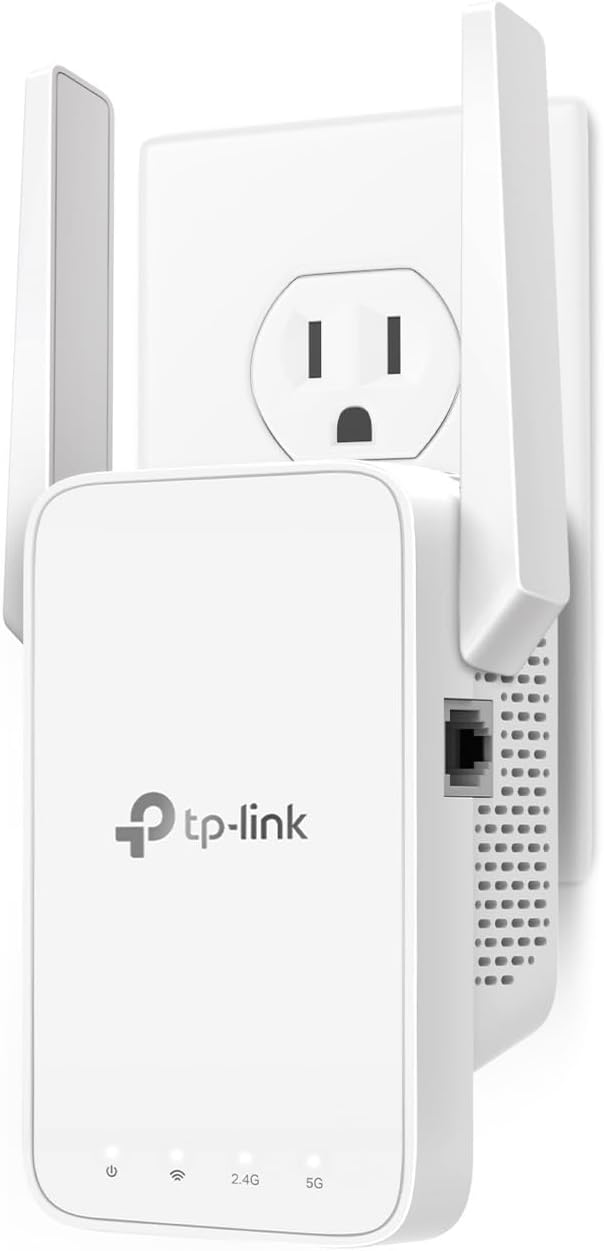
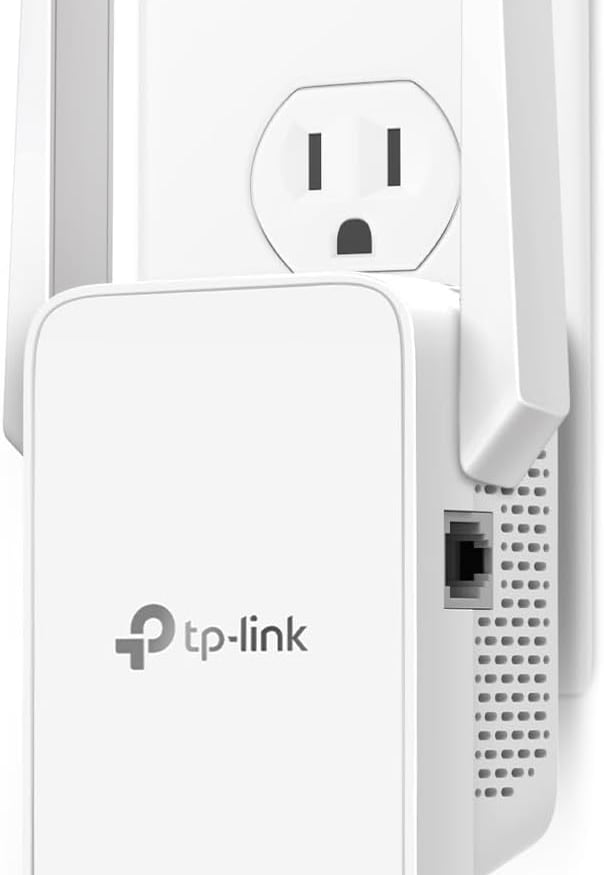
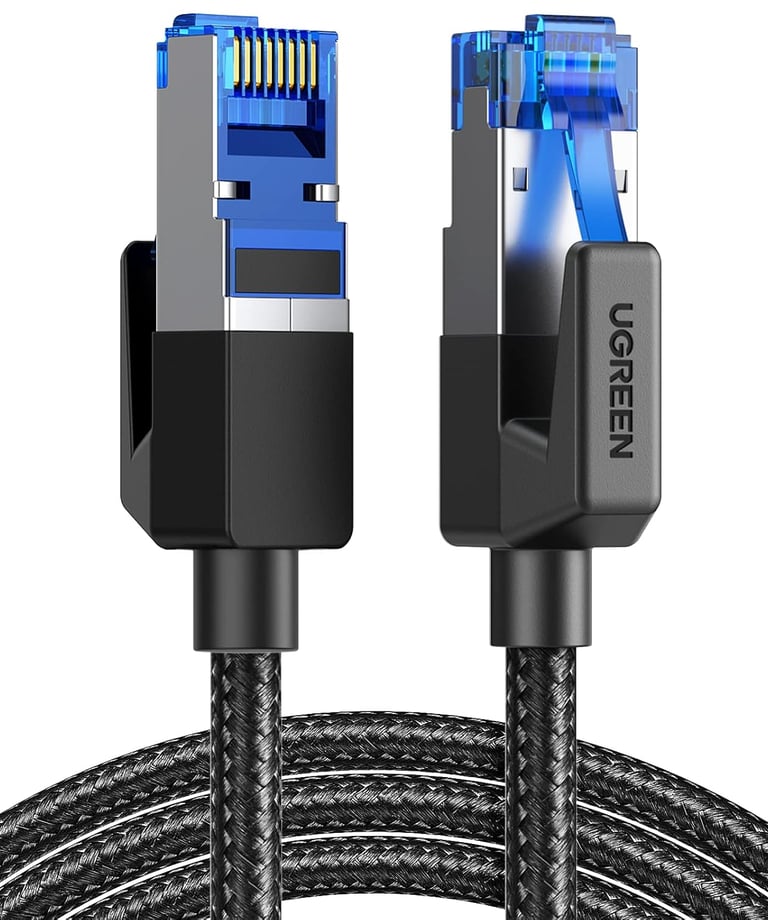
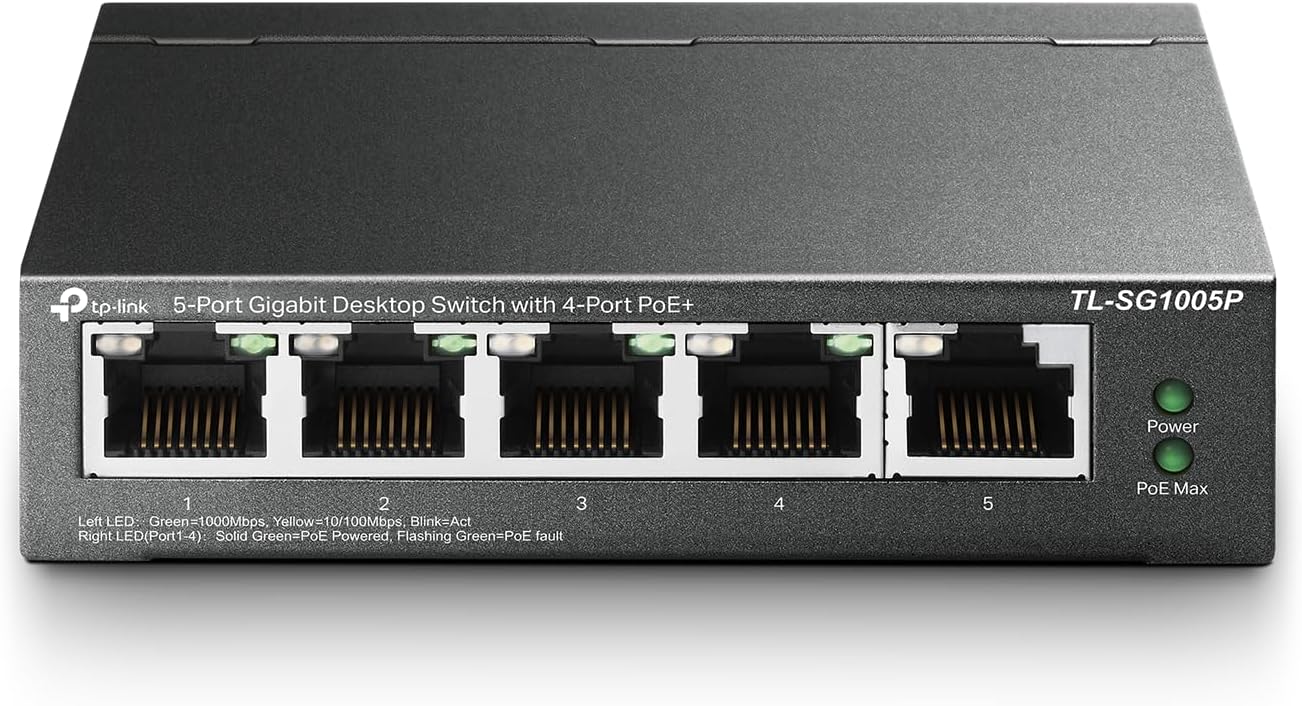
🔧 Products to improve your Internet connection
Check out a selection of products to improve your Internet connection :
The Essential Role of Wi-Fi
Wi-Fi is the technology that allows your devices to connect to the Internet wirelessly.
It works through a router (or Wi-Fi router) that receives an Internet connection via a cable and then transmits it as radio waves.
Why is Wi-Fi important?
It enables mobility (smartphones, tablets)
It makes it easy to connect at home or at work
It connects multiple devices at the same time
👉 Wi-Fi is therefore the most common gateway to the Internet for users.
Data centers: the brain of the Internet
Data centers are buildings filled with thousands of servers. They can be thought of as the “brain” of the Internet.
They store :
websites
videos
social networks
cloud applications
These centers operate 24 hours a day and require enormous amounts of energy and cooling.
Without them, the Internet could not exist. Every click you make likely passes through a data center that may be located thousands of miles away.


What happens when you open a website?
Here is a simplified overview:
You type in an address (e.g., a website)
Your device sends a request over Wi-Fi
The router forwards the request to the Internet
The data packets travel to the website's server
The server sends the data back
Your device reassembles the data packets to display the page
Conclusion: An invisible but essential network
The internet is a complex system, but how it works can be explained simply:
Data travels in packets
Routers direct traffic
Wi-Fi connects our devices
Data centers store information
Servers respond to our requests
Even though all of this may seem invisible, every online action relies on this global infrastructure.
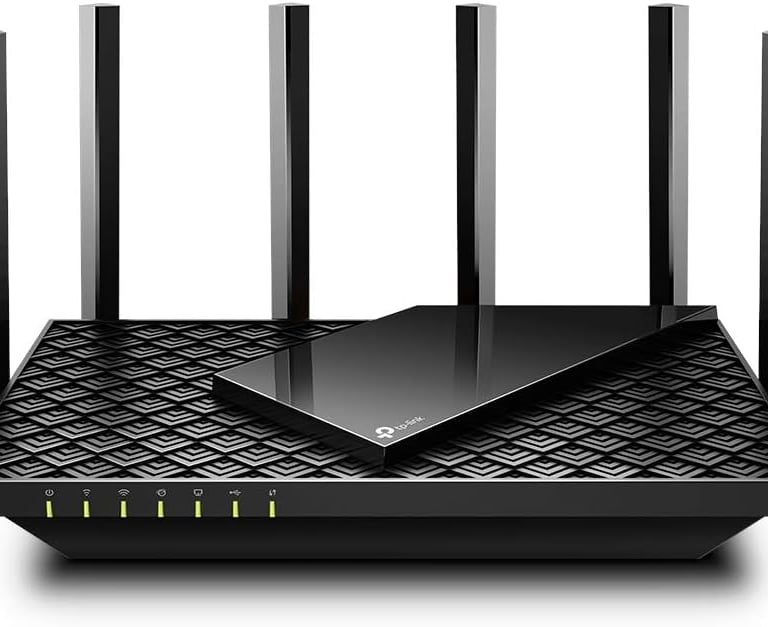
Check out a selection of products to improve your Internet connection :
🔎 Related articles :

Tech, simply.
Receive our new articles, tips and comparisons directly in your inbox.
©2026 The Tech BEHIND. All rights reserved
The Tech Behind participates in various affiliate programs. Some links on this site may generate a commission.