


Heart rate, sleep, oxygen: the (almost) secret technology of your connected watch
PPG sensors, spectrophotometry, MEMS accelerometers... Learn about the technologies and algorithms that allow your smartwatch to measure your heart rate, oxygen levels, and sleep.
ELECTRONICSPOPULAR ARTICLEEVERYDAY TECHNOLOGIES
Lucas GRANDIER
6/8/20265 min read


Whether it's to optimize an interval training session, monitor your stress level or analyze the quality of your nights, the connected watch has established itself as a real dashboard of our physiology. But how does a simple box, glued to our wrist, manage to extract medical data with such precision?
Beneath the display is a concentrate of embedded engineering: miniature optical components, microscopic motion sensors and signal processing algorithms. Dive deep into the bowels of your watch to understand how it translates your biology into data.
Heart Rhythm: Photoplethysmography (PPG)
Oxygen in the Blood (SpO2): Infrared spectrophotomet-ry
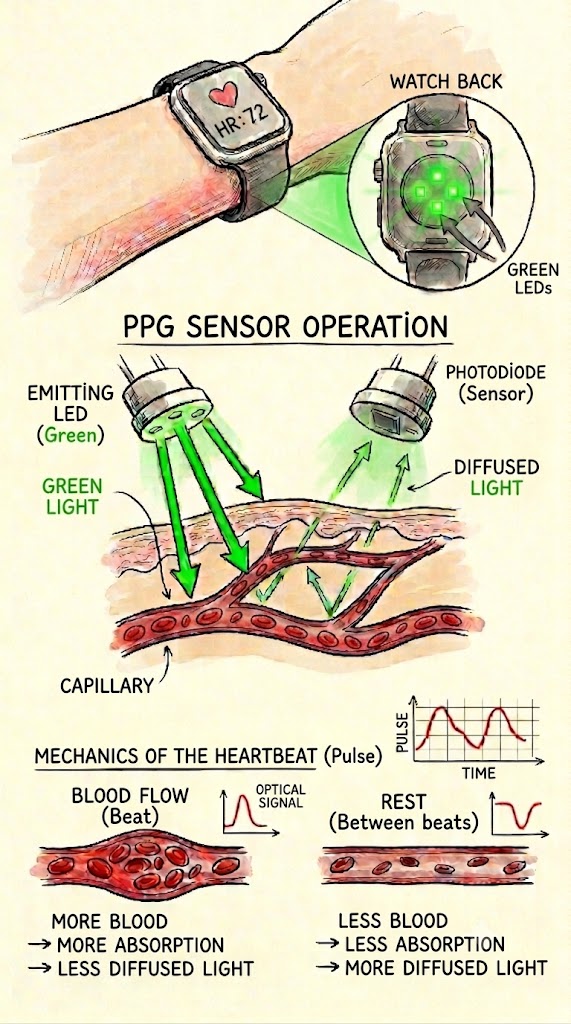
If you look at the back of your watch in operation, you'll see green LEDs flashing at breakneck speed. This system is based on an optical process called photoplethysmography (PPG).
The physical principle is as follows: blood is red in color, which means that it reflects red light but strongly absorbs green light (whose wavelength is around 530 nanometers).
Your watch combines two key elements:
Emitting LEDs: They bombard your skin with green light hundreds of times per second (this is called sampling frequency).
Photodiodes (receivers): These photosensitive sensors measure the amount of light that manages to bounce under the skin and back to the watch.
The beating mechanics: With each contraction of your heart (systole), blood flow increases to the capillaries of your wrist. This excess blood absorbs more green light. The photodiodes therefore capture a decrease in reflected light. Between two beats, the blood flows back, and the reflected light increases. By measuring these light micro-variations, the watch's microcontroller plots the exact curve of your pulse.
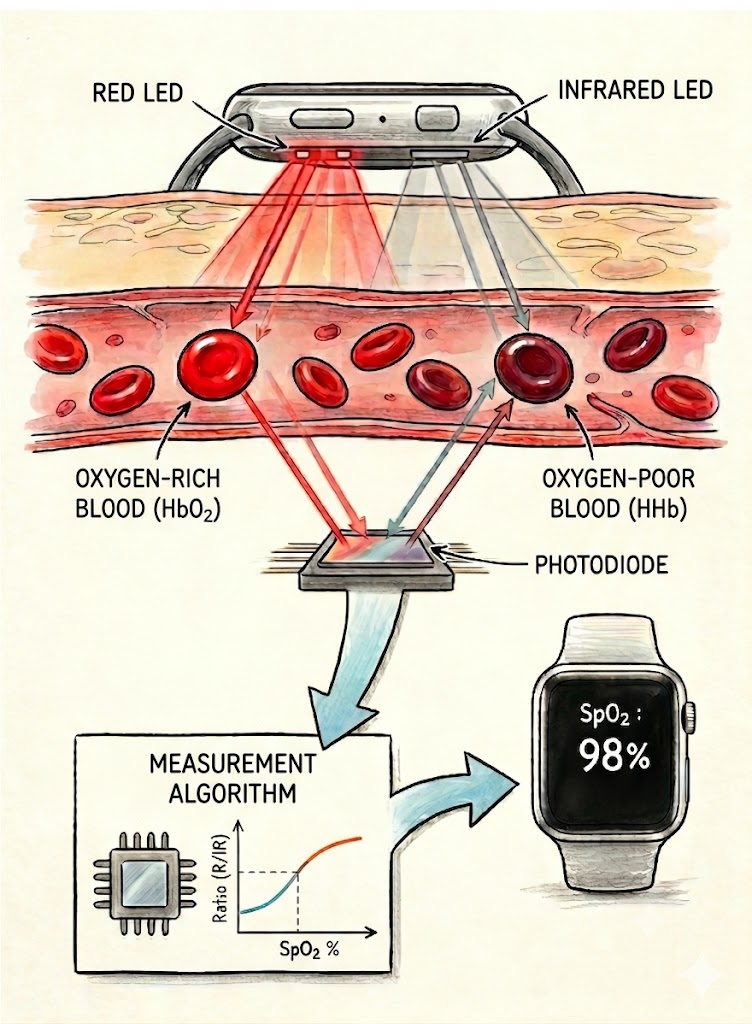
To measure oxygen saturation (SpO2), the watch uses a variation of PPG technology, but changes the light spectrum. Green gives way to red and infrared LEDs. This method is based on spectrophotometry.
The purpose of the watch is to distinguish between two states of hemoglobin (the protein that carries oxygen in your blood):
Oxyhemoglobin (oxygen-rich blood): It absorbs more infrared light and allows red light to pass through.
Deoxyhemoglobin (oxygen-poor blood): It reacts in the opposite direction, massively absorbing red light and allowing infrared to pass through.
The watch emits these two lights simultaneously. The photodiode captures the light that manages to be reflected under the skin and converts it into an electrical signal. This raw signal is then digitized and sent to the watch's microcontroller. It is the brain of the system that mathematically calculates the ratio between the red and infrared light absorbed by your blood. Finally, an algorithm translates this result into a percentage displayed on the screen: your SpO2.
⌚ Selection of the best smartwatches in 2026
If you want to equip yourself to monitor your health closely, analyze your sleep or optimize your workouts, here are the must-have models of the moment that integrate these technologies:
Sleep Tracking: The Alliance of Biomechanics and Neurology
There is no "sleep sensor" as such. To find out if you are sleeping (and in what phase), the watch crosses data between two distinct systems: actigraphy and heart rate variability.
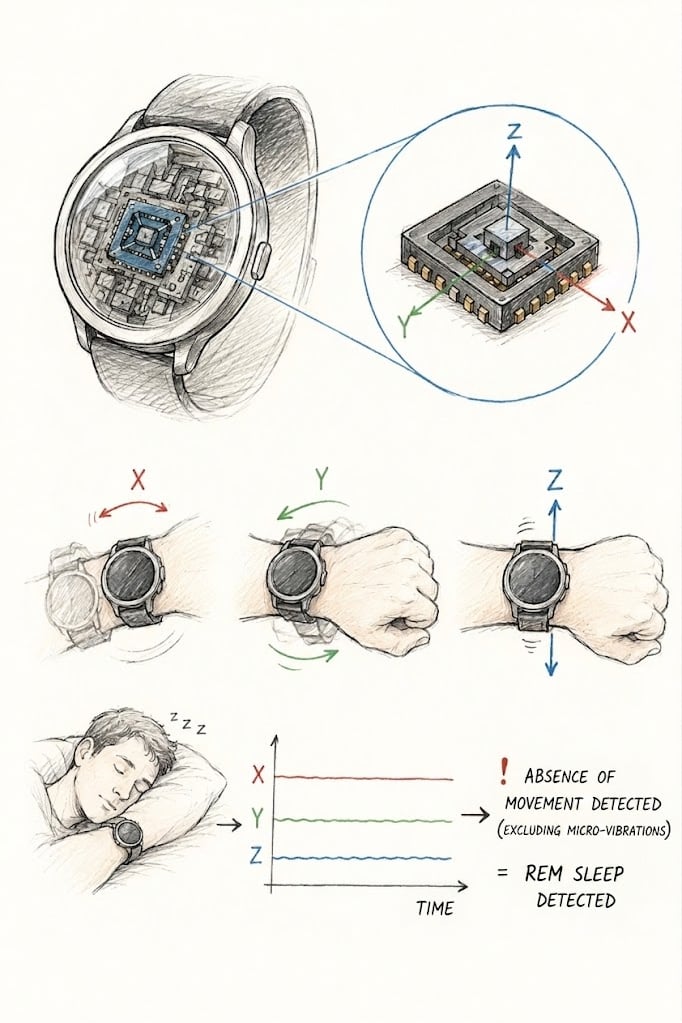
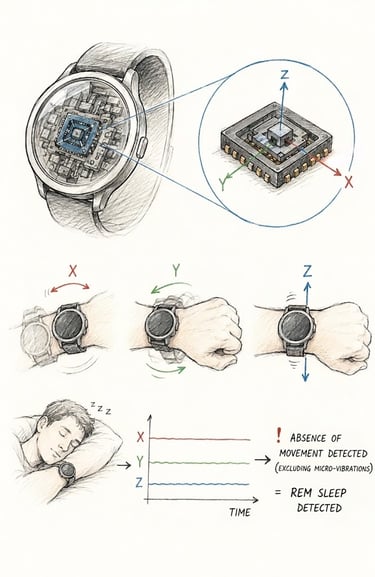
Actography via the MEMS accelerometer
Your watch has a built-in MEMS (Micro-Electro-Mechanical Systems) accelerometer. It is a microscopic component etched into silicon, capable of measuring acceleration forces on 3 axes (X, Y, Z). This extremely sensitive tool detects your wrist position and micro-movements. For example, the natural muscle paralysis that occurs during REM sleep (the dream phase) is immediately detected by the complete absence of accelerometer data, except for your breathing rate.
Heart Rate Variability (HRV)
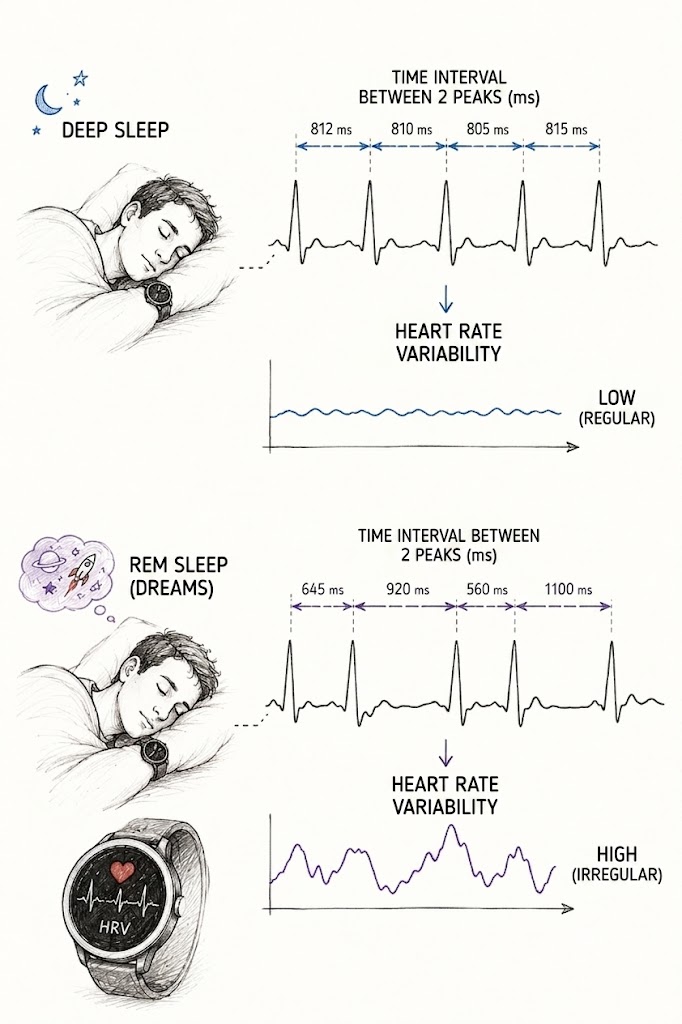
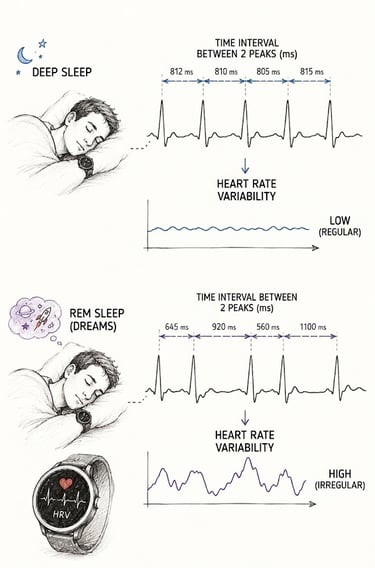
Analysing movement is not enough. The real secret of modern watches lies in HRV. Instead of simply measuring beats per minute, the watch measures the fluctuation in time between each beat (in milliseconds).
This data is crucial because it is directly controlled by your autonomic nervous system:
In deep sleep: The parasympathetic system (which manages rest) takes over. Your heart beats very regularly. Variability is low.
In REM sleep (dreams): The brain is in full swing (activation of the sympathetic system). The heart rate accelerates and becomes erratic. The variability is high.
By overlaying motion data (MEMS) and nerve data (HRV), the watch's artificial intelligence manages to identify your sleep cycles (light, deep, REM) with an accuracy that is increasingly approaching professional medical equipment.
In conclusion: The future of health at the tip of the wrist
Far from being simple gadgets, our connected watches have become real jewels of embedded systems. By combining optical physics to scrutinize our blood vessels and biomechanics to analyze our slightest movements, they manage to decode complex physiological signals in real time with impressive computing power.
The rapid evolution of these sensors is paving the way for increasingly advanced and vital applications. Beyond simple sports monitoring or sleep analysis, the increasing mastery of data such as heart rate variability (HRV) and actigraphy now allows the development of safety-critical devices. We are already seeing this with algorithms capable of detecting heart abnormalities, anticipating episodes of intense stress, or preventing the risk of drowsiness and fatigue at the wheel.
The next time you look at your wrist to check your notifications, remember that beneath that little glass screen is a miniature lab watching over you, beat after beat.
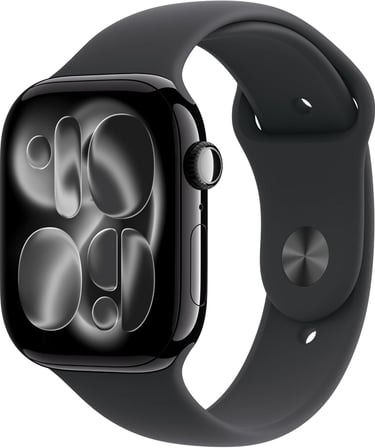
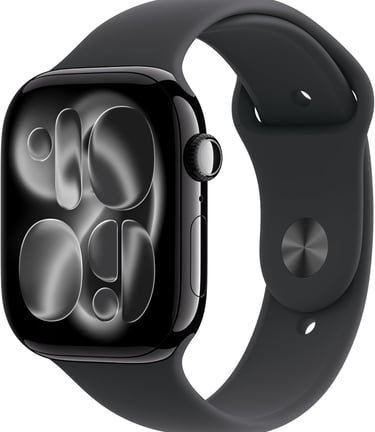
📺 Selection of the best smartwatches in 2026 :
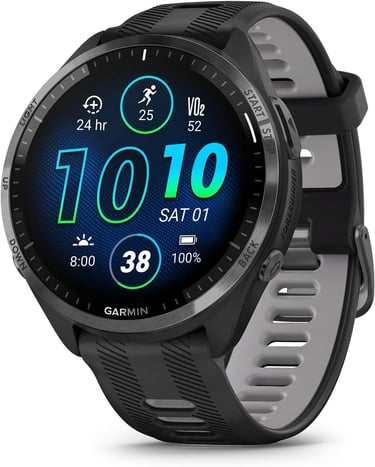
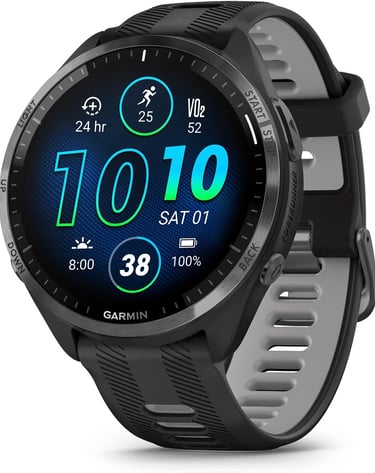
Apple Watch Series 11 — To monitor your health every day
Garmin Forerunner 975 — For sports, fatigue management and recovery
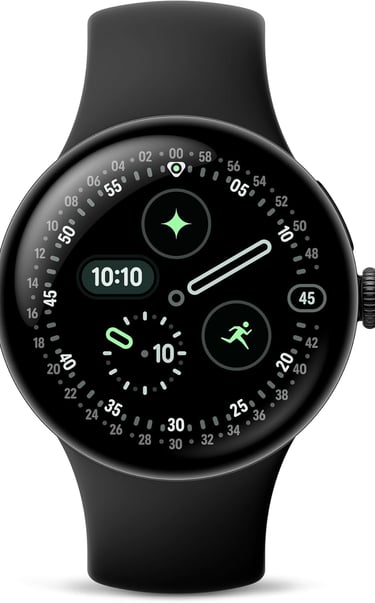
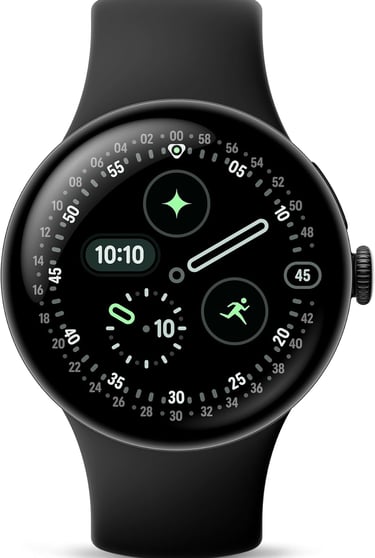
Google Pixel Watch 4 — To analyze your nights and sleep quality
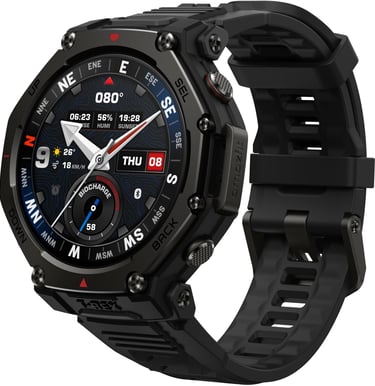
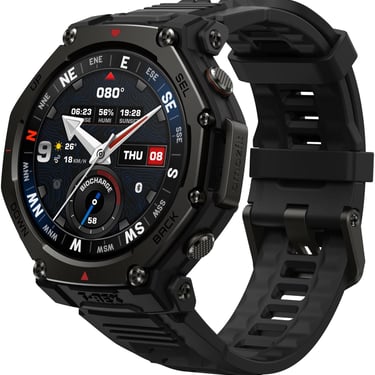
Amazfit T-Rex 3 Pro — For adventure, hiking, and oxygen at altitude
🔎 Related articles :

Tech, simply.
Receive our new articles, tips and comparisons directly in your inbox.
©2026 The Tech BEHIND. All rights reserved
The Tech Behind participates in various affiliate programs. Some links on this site may generate a commission.